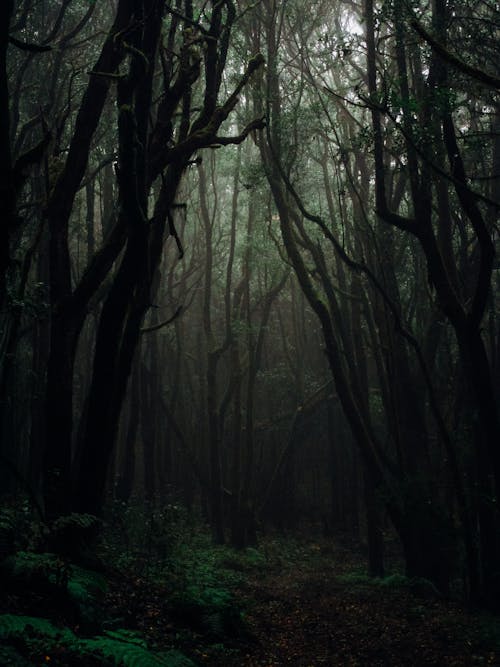
When I was at that annoying, insecure phase of life, also known as teenage, I asked my mum if I could go on a hike with my
friends. She told me no because that place is keras, which directly translates as ‘hard’. It doesn’t quite mean
haunted, more like… concentrated.
It’s a place that attracts ‘bad things’ (feel free to think of ghosts and
monsters or any other supernatural forces) or is full them. I didn’t buy into
my mother’s superstitions, but I was still creeped out. In the end, I was glad
I didn’t go – why risk it?
Setting
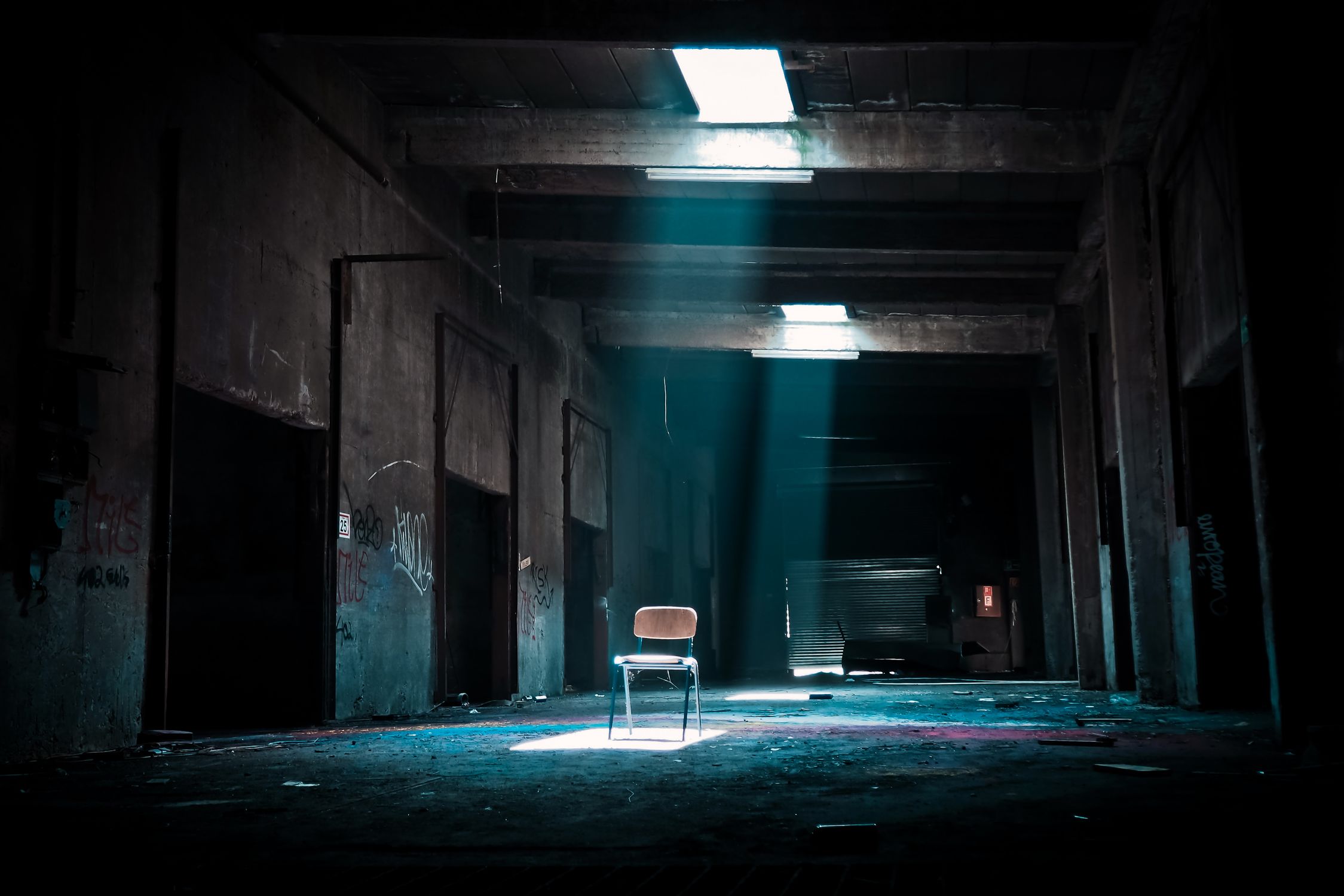
plays a big role in Horror. Cemeteries, haunted houses and abandoned hospitals are a few stereotypical ones that come to mind. But why are they so scary?
What makes these settings effective is the uncanny1 – what is normally safe and familiar, such as a house (home) or a hospital
(where we go when we are hurt) becomes unfamiliar. The sense that there is
something wrong with those places that should be safe disturbs us on a deep
level. Cemeteries are eerie because what would normally be an innocent park,
filled with nature, has a bunch of dead people six feet under.

Jan
Kozlowski agrees with the idea of the uncanny: she states that Stephen King got
her into Horror, as opposed to writers such as Lovecraft or Poe, because his
Horror doesn’t happen “in creepy Transylvanian castles or in far-off alien
worlds. [They] happened to people just like [her].”2 More importantly, they happen in places she recognises, or is familiar with. According
to Lisa Morton, good Horror fiction that “disturbs or frightens the reader”
must have a good “overall atmosphere” and “choosing a setting is one of the
best ways to provide a mood underlying the whole piece.”3
A
modern example of using the uncanny in terms of setting is the 2001 Korean
Horror film Sorum.4 Nicki J. Y. Lee states that the apartment building in Sorum – the main setting of the film – is correlated to the “social
connotations of apartments in the Korean context.”5 Urban development brought a ton of apartment buildings to Seoul, and became a
symbol for the wealthy middle class. But the apartment in the film is an old,
decrepit building, occupied by poorer working class citizens – instead of a
symbol of wealth, comfort and luxury, it became “a space where the greediness
and angst of people and their desire for survival and recognition come to a
terrifying end.”6

The setting
doesn’t have to be limited to the places that are familiar to us, however. Mark
Sebanc states that “a special, oftentimes sinister, significance is attributed
to the in-between places.”7 For example, “Roundabout”8by Muriel Gray is set in – surprise,
surprise – a roundabout. This is an in-between place: we go there only to go somewhere
else. Setting is also a good way to force the isolation of characters.
Abandonment or being alone is one of Christine Conradt’s eleven tenets of fear:
“Finding yourself having to face something awful alone is even more horrifying
than facing it with someone else.”9 In “Shepherds' Business”, the setting is an island where everyone lives far
away from each other.10
To this day, I am
still respectful in uncivilised places, where nature roams free and powerful.
Especially anywhere that has banana trees, which are scary because that is
where pontianaks reside (yes I am still scared). No littering, or pissing on the ground,
or being loud and rude. I don’t believe in these superstitions but honestly –
why risk it?
1 Sigmund Freud, “The Uncanny”, in Art and Literature, Vol. 4, Sigmund Freud (Harmondsworth: Penguin, 1990).↩
2 Jan Kozlowski, “Bringing Horror Home”, in Now Write! Science Fiction, Fantasy, and Horror: Speculative Genre Exercises from Today’s Best Writers and Teachers, ed. Laurie Lamson (New York: Jeremy P. Tarcher/Penguin, 2014), 141.↩
3 Lisa Morton, “The Setting in Horror”, in Now Write! Science Fiction, Fantasy, and Horror: Speculative Genre Exercises from Today’s Best Writers and Teachers, ed. Laurie Lamson (New York: Jeremy P. Tarcher/Penguin, 2014), 137.↩
4 Sorum, directed by Yoon Jong-chan, Buena Vista International, 2001, Feature film.↩
5 Nicki J. Y. Lee, “Apartment Horror: Sorum and Possessed”, in Korean Horror Cinema (Edinburgh, Edinburgh University Press, 2013), 106, accessed 1 March 2019, available at https://www-jstor-org.winchester.idm.oclc.org/stable/10.3366/j.ctt1g0b1sf.13 ↩
6 Lee, “Apartment Horror”, 106.↩
7 Mark Sebanc, “In Xanadu… Grounding the Fantastic”, in Now Write! Science Fiction, Fantasy, and Horror: Speculative Genre Exercises from Today’s Best Writers and Teachers, ed. Laurie Lamson (New York: Jeremy P. Tarcher/Penguin, 2014), 151.↩
8 Muriel Gray, “Roundabout”, in New Fears, ed. Mark Morris (London: Titan Books, 2017), Kindle edition.↩
9 Christine Conradt, “The Eleven Tenets of Fear”, in Now Write! Science Fiction, Fantasy, and Horror: Speculative Genre Exercises from Today’s Best Writers and Teachers, ed. Laurie Lamson (New York: Jeremy P. Tarcher/Penguin, 2014), 113.↩
10 Stephen Gallagher, “Shepherds’ Business”, in New Fears, ed. Mark Morris (London: Titan Books, 2017), Kindle edition.↩


Comments
Post a Comment